

Can 2kW Pro Power Onboard™ on the 2026 Ford Super Duty® F-350® handle your jobsite tools around Hurricane, UT?
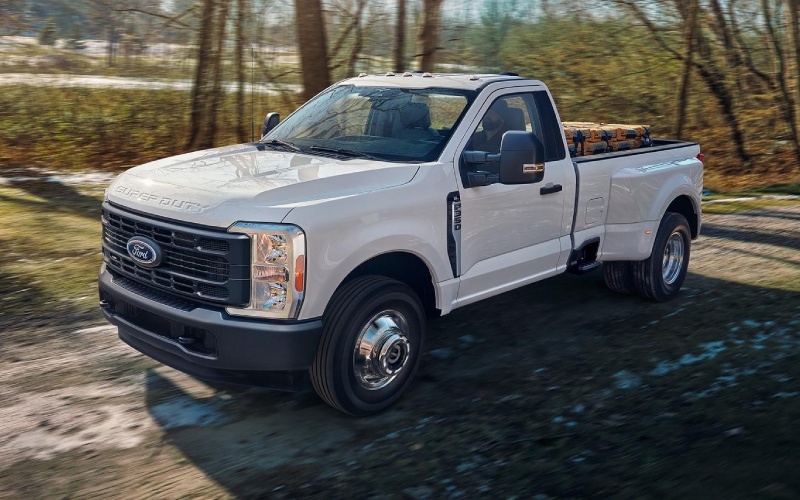
Cedar City Ford - Can 2kW Pro Power Onboard™ on the 2026 Ford Super Duty® F-350® handle your jobsite tools around Hurricane, UT?
When your day depends on power where outlets are scarce, the 2kW Pro Power Onboard™ system available on the 2026 Ford Super Duty® F-350® can be a genuine game-changer for contractors, ranchers, and outdoor enthusiasts around Hurricane, UT. Instead of hauling a separate generator and fuel, you can plug directly into the in-bed outlets and get to work faster.
Below, we break down what 2kW means in practical terms, how it fits real-world use cases, and how to plan for safe, efficient tool usage. For shoppers exploring their options with a team serving Santa Clara, Hurricane, and Mesquite, this deep dive will help you decide whether the system fits your daily routine.
What 2kW Pro Power Onboard™ Can Do For You
Power output is measured in watts. With up to 2,000 watts available, the F-350® can support many common corded tools and site essentials. In general, devices with moderate start-up draws and steady running wattage are ideal. The key is to understand your total wattage at any given time and leave a buffer for start-up surges.
- Circular saws: Many corded saws draw roughly 1,200–1,800 watts at start-up and 600–1,200 watts while running.
- Air compressors: Small to mid-size units often start between 1,200–2,000 watts, then run between 800–1,200 watts.
- Hammer drills: Commonly fall in the 600–1,000-watt range, with brief spikes on startup.
- Work lights: LED site lighting typically ranges from 50–300 watts per light, making it easy to run multiple fixtures.
- Battery chargers: Tool battery chargers are typically 50–300 watts, so charging several at once is realistic.
In everyday terms, 2kW is perfect for single-tool operation with lights and chargers, or two lighter loads at the same time with room for start-up spikes. If you frequently run multiple high-draw tools simultaneously, plan your workflow—cut first, then run the compressor, and keep chargers topping off in the background.
Smart Planning for Hurricane, UT Jobsites
Wind, dust, and distance between lots can complicate local projects. With Pro Power Onboard™, you roll up, plug in, and go—even on new pads off SR-9 where utility access is limited. The in-bed outlets let you stage tools neatly, minimize tripping hazards, and keep cords contained. For renovation work or punch-list visits, the system is especially efficient: no unpacking a generator, no warm-up time, and no noise penalty when the engine is off during lighter charging tasks.
Another benefit is load management. You’ll get a feel for which tools can run together and which need a staggered approach. That means fewer blown breakers at older properties and less back-and-forth with homeowners or tenants.
How To Make the Most of 2kW
The goal is to keep your workday moving without overloading the system. A few simple habits can help you power smarter and safer.
- Know your tools: Check labels for running watts and understand that start-up spikes can briefly double those numbers.
- Stagger heavy loads: Avoid starting two high-draw tools at the same time—start one, let it stabilize, then add lighter loads.
- Leverage LEDs: Replace older halogen lights with LED fixtures to free up hundreds of watts for tools.
- Keep cords short: Shorter, heavier-gauge extension cords reduce voltage drop and improve performance.
- Monitor usage: If you’re adding a new tool to your kit, test it on-site to understand its real-world draw and behavior.
Even on busy downtown remodels or quick stops at storage yards, those best practices help you take full advantage of the system’s capacity. In turn, you save time and reduce the clutter that portable generators can introduce around tight work areas.
Where Pro Power Onboard™ Really Shines
Beyond traditional construction tasks, the 2kW system is just as useful for ranch maintenance, mobile detailing, landscaping, and weekend trips. If you stage corral repairs, you can run saws and charge drivers in the bed. If you service properties, you can operate a compact compressor for air tools and fill-ups without firing up a separate unit. And if you’re headed to Sand Hollow or out toward the state line for a desert weekend, you can power campsite lights, an inflator, and small appliances comfortably.
Frequently Asked Questions:
Can I run an air compressor and a saw at the same time?
Often yes, but it depends on the size of each tool. Many jobsite compressors and saws together can exceed 2,000 watts at startup. Staggering start-up—powering the compressor first, then engaging the saw—usually keeps you within the 2kW window. Always check the wattage on each device.
Does Pro Power Onboard™ work with the truck off?
In many light-load scenarios, you can use the outlets without the engine running, but higher continuous draws may require the engine to be on. The system is designed to manage power intelligently; follow the owner’s manual for best practices based on your loads.
Is 2kW enough for a mobile workshop?
For many small to mid-size projects, yes. If you plan to run multiple high-draw tools at once for extended periods, organize tasks in sequence. For multi-crew operations with heavy concurrent usage, consider scaling your tool mix or evaluating additional power solutions.
Will it power RV hookups?
2kW can support select light campsite needs, but it is not designed to replace full RV service. It’s best for targeted loads—lights, chargers, inflators, and modest appliances—rather than whole-trailer systems.
If you’d like to see the system in action on your tools, ask our team to set up a demonstration. You can bring your most-used gear and get a feel for how the truck handles your real workload. One visit to Cedar City Ford can help you dial in the right configuration for your truck and your trade.